
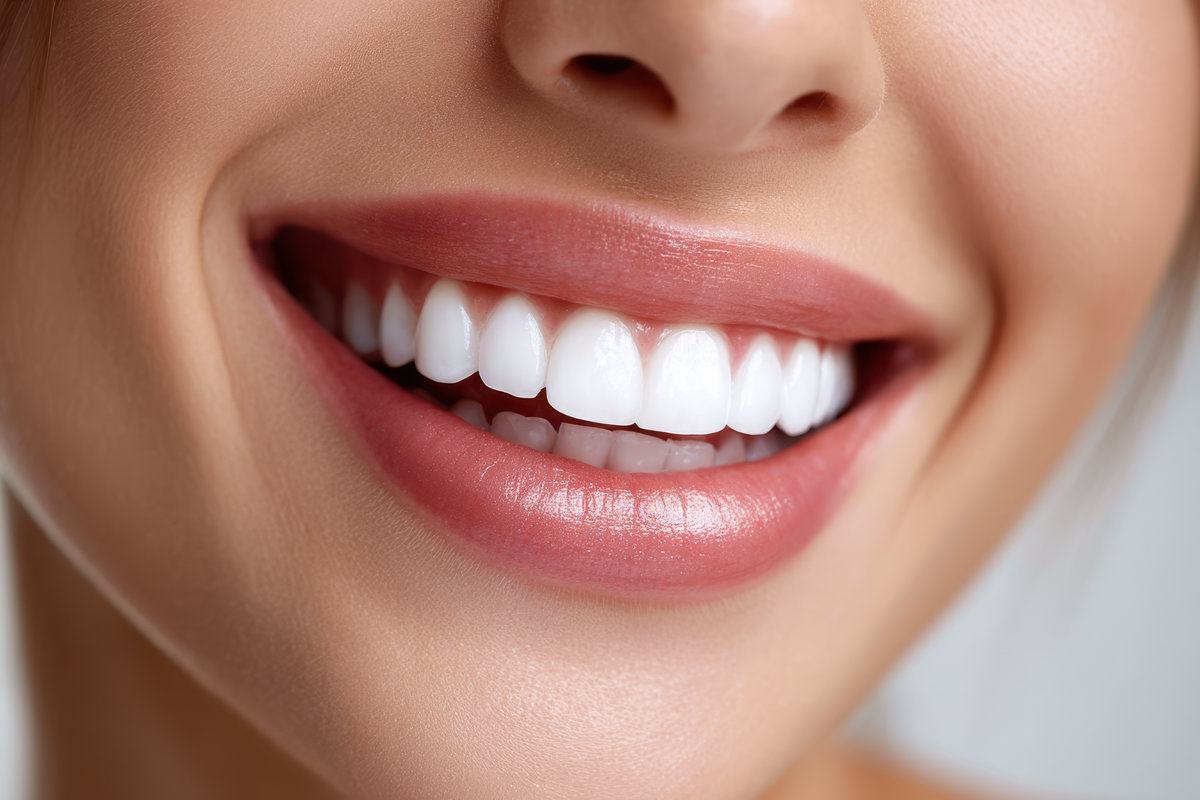
How long a smile makeover lasts depends mostly on three things: your daily home care, how well you protect your teeth from grinding and hard bites, and whether you keep up with professional cleanings and checkups. Porcelain veneers and crowns can stay in service for many years, and one large research review found that about 95% of porcelain veneers were still in place after ten years. The work itself is durable, but the natural teeth and gums supporting it still need the same attention they always did.
Investing in a smile makeover changes more than your appearance. It changes how you feel when you meet new people, how confidently you speak in meetings, and how freely you smile in photos. After committing time, energy, and resources to cosmetic dentistry procedures, protecting that investment matters as much as the decision to pursue treatment. At Ponce Dental Studio, our in-house lab gives us close control over every restoration, and our smile makeover plans include a maintenance plan from day one.
How Long Do Smile Makeover Results Last?
A smile makeover is usually a combination of treatments, and each one ages a little differently. Porcelain holds its color and shine well, composite bonding is more prone to staining and chipping over time, and whitening fades gradually as everyday foods and drinks do their work. Knowing what to expect from each piece helps you plan for touch-ups instead of being surprised by them.
For veneers, the research is encouraging. A 2021 systematic review published through the National Library of Medicine, which pooled 25 clinical studies and 6,500 porcelain veneers, estimated a ten-year survival rate of 95.5%. Fracture was the most common complication, followed by debonding, and both tended to happen within the first years after placement. That is why protective habits matter most early on. Our article on how long dental veneers last goes deeper on replacement timing.
| Treatment | How It Typically Ages | What Protects It Most |
|---|---|---|
| Porcelain veneers | Color stays stable; chips or debonding are the main risks | Night guard if you grind, no biting hard objects |
| Composite bonding | Can stain and wear faster than porcelain | Limiting dark drinks, periodic polishing |
| Crowns | Durable, but decay can form where the crown meets the tooth | Cleaning along the gumline, regular exams |
| Professional whitening | Fades gradually on natural teeth | Occasional supervised touch-ups |
| Implant restorations | Stable long term when gums and bone stay healthy | Careful cleaning around the implant, checkups |
What Daily Habits Protect Cosmetic Dental Work?
Your morning and evening routines create the foundation for lasting results. The American Dental Association recommends brushing twice a day with fluoride toothpaste, cleaning between your teeth every day, limiting sugary foods and drinks, and seeing your dentist regularly. Those basics protect both your natural teeth and the edges where restorations meet them, which is where new decay most often starts.
Porcelain does not decay, but the tooth underneath it can. Veneers and crowns are only as healthy as the tooth and gum tissue supporting them, so flossing or using interdental brushes along every restoration matters just as much as brushing the front surfaces.
Choosing Products That Protect Porcelain and Bonding
Use a soft-bristled toothbrush and gentle pressure to clean without scratching polished surfaces. An electric toothbrush with a pressure sensor can help if you tend to scrub hard, and our article on electric toothbrushes and water flossers covers whether they are worth it. Choose a non-abrasive fluoride toothpaste rather than gritty whitening formulas, which can dull the finish on bonding over time. A fluoride rinse can add extra protection for patients at higher risk of decay.
Which Foods and Beverages Should You Watch?
Certain foods and drinks pose specific risks to cosmetic dental work. Hard foods can chip or crack porcelain, sticky foods can stress bonded edges, and acidic or dark drinks affect natural teeth and composite materials. Items to approach with caution include:
- Ice and hard candies: These can fracture even strong dental materials when bitten directly.
- Sticky foods like caramels and taffy: These pull on restorations and may loosen bonded work.
- Staining drinks such as coffee, red wine, and dark sodas: These discolor natural teeth and bonding faster than porcelain, which can create color mismatches over time.
Limiting these items protects your investment. When you do have staining drinks, a straw reduces contact with your front teeth, and rinsing with water afterward helps clear away pigments and acids until you can brush. Keep in mind that whitening will not change the color of porcelain, so our article on whitening around crowns and restorations explains how to keep natural teeth and restorations matched.
How Can You Protect Your Smile From Grinding and Injury?
Clenching and grinding are among the most common reasons cosmetic work chips or loosens. Many people grind at night without knowing it, and the signs are often a sore jaw, morning headaches, or small chips along the biting edges. Our article on whether teeth grinding can damage dental work explains the warning signs in more detail.
A custom night guard absorbs that pressure while you sleep, and our nightguards are made to fit your new smile precisely. The ADA’s MouthHealthy guidance on veneers also advises avoiding biting fingernails or chewing hard objects, and wearing a mouthguard during sports or activities that could injure your mouth. Using your teeth to open packages is another habit worth dropping.
Why Do Professional Cleanings Matter for Cosmetic Work?
Regular dental cleanings remove buildup that your home care routine cannot reach. Plaque that stays along the gumline hardens into tartar, which threatens both your natural teeth and the margins of your restorations. Our hygienists use instruments and polishing methods that are safe for porcelain and composite surfaces.
During these visits, we examine your cosmetic work for early signs of wear or damage. Catching a small chip, a rough edge, or a gap at a margin early often means a simple repair instead of a replacement. Our digital imaging helps us spot changes that are hard to see with the naked eye, so we can act before you notice symptoms.
How Often Should You Schedule Maintenance Appointments?
Many patients do well with a cleaning and exam every six months, but the ADA notes that the best interval depends on each person’s risk rather than a single schedule for everyone. Patients with a history of gum disease, frequent decay, heavy grinding, or implants may benefit from more frequent visits. After extensive smile makeovers, we may recommend a closer follow-up schedule at first while your bite settles, then adjust from there based on how your mouth responds.
Signs Your Cosmetic Work Needs Attention
Call us between visits if you notice a chip or rough edge, a restoration that feels loose or different when you bite, a dark line near the gumline, new sensitivity to hot or cold, or gums that bleed or look puffy around a crown or veneer. A dental crown or veneer that starts to feel “high” when you close your teeth together can also signal a bite change worth checking. Small problems addressed early usually cost less and preserve more of your natural tooth.
It also helps to plan for the long term. Bonding may need polishing or repair sooner than porcelain, and any restoration will eventually need replacement. Our price transparency approach means you can see what future maintenance is likely to cost, and our guide on financing your smile makeover covers payment options.
Frequently Asked Questions About Smile Makeover Maintenance
How long do veneers last?
Porcelain veneers can last many years with good care. A 2021 systematic review of 6,500 porcelain veneers estimated that 95.5% were still in service after ten years. Grinding, biting hard objects, and skipped checkups are the main things that shorten their lifespan.
Can I whiten my teeth after getting veneers or crowns?
You can whiten your natural teeth, but whitening will not change the color of porcelain or most restorations. If you want a brighter shade, it is usually best to whiten before new restorations are made so they can be matched to your final color.
Do I need a night guard after a smile makeover?
If you clench or grind your teeth, a custom night guard is one of the best ways to protect veneers and crowns from chipping. Not everyone needs one, so we look for signs of grinding during your exams and recommend a guard when it makes sense.
What toothpaste is safe for veneers and bonding?
A non-abrasive fluoride toothpaste used with a soft-bristled brush is a good choice. Very gritty whitening or charcoal pastes can dull the polish on bonding and some restorations over time, while fluoride helps protect the natural tooth around the edges.
What should I do if a veneer chips or comes loose?
Save the veneer or any large piece if you can, avoid chewing on that side, and call our office. Small chips can sometimes be smoothed or repaired, and a loose veneer can often be rebonded if the veneer and tooth are both in good condition.
Schedule Your Smile Makeover Maintenance Appointment Today
Protecting your smile makeover takes steady daily habits, a professional care schedule that fits your risk, and protective appliances when you need them. Our in-house lab means adjustments and repairs meet the same standards as your original treatment, and our transparent pricing removes uncertainty about future care.
Visit our YouTube page to see patient transformations and learn more about our technology. When you are ready, complete our contact form to schedule your next maintenance appointment at any of our locations and build a personalized plan for your cosmetic work.
 Dr. Frank Nia is a distinguished cosmetic and restorative dentist, co-founder of Ponce Dental Studio in Atlanta, GA. With a DMD from the University of Pennsylvania School of Dental Medicine and an MSEd in Higher Education, Dr. Nia brings over a decade of experience in managing multi-site dental practices. Known for his innovative approach to dentistry, he combines cutting-edge technology with compassionate care. Dr. Nia is a Fellow of the International Congress of Oral Implantologists and holds licenses in multiple states, including certification for oral and I.V. Sedation therapy in Georgia.