
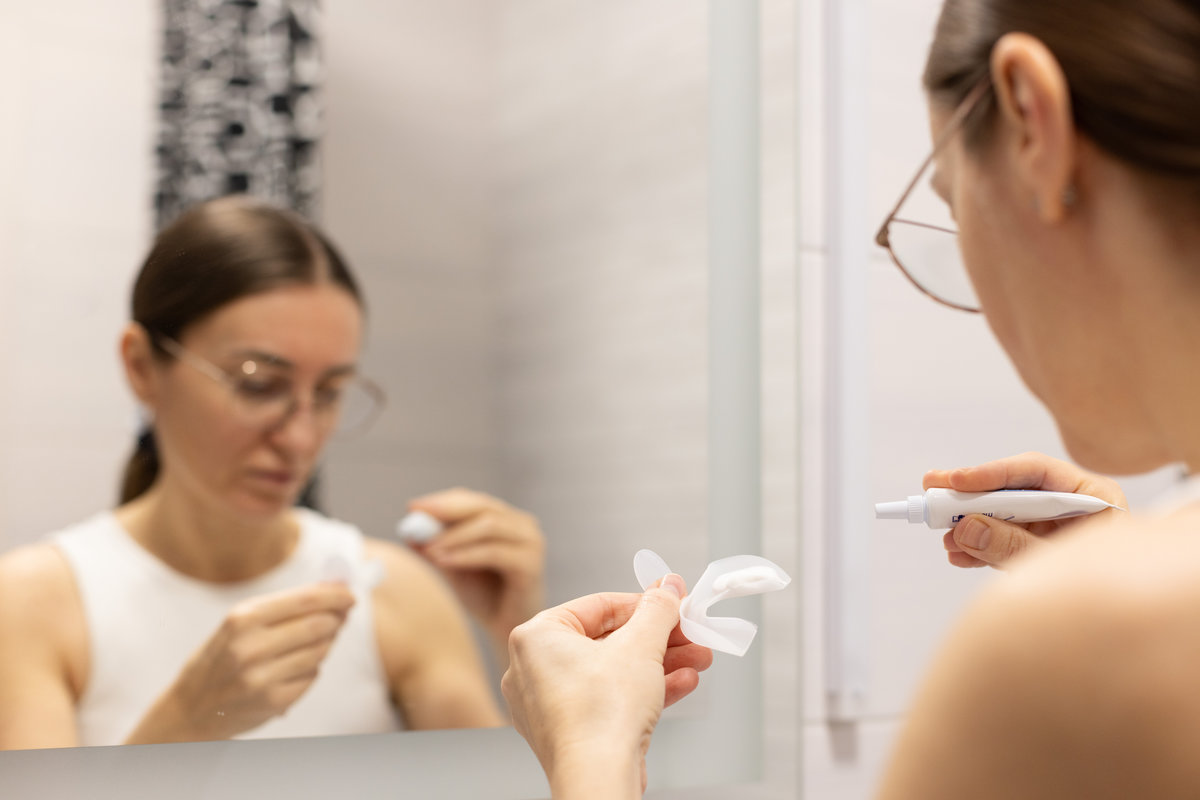
Professional teeth whitening, when it is supervised by a dentist and used as directed, does not cause clinically significant damage to healthy tooth enamel. The real risks come from overuse, from high-strength products applied without guidance, and from whitening teeth that already have erosion, decay, or gum problems. Temporary sensitivity is common, but it is not the same thing as permanent enamel loss, and knowing the difference helps you make a confident decision before you ever sit down in the chair.
At Ponce Dental Studio, “Dentistry Done Different” is more than a tagline, it is a commitment to making sure patients have the real story before moving forward with any treatment. Our professional teeth whitening service is designed with both results and long-term oral health in mind, because looking great and staying healthy are not mutually exclusive goals.
How Does Whitening Actually Work?
Teeth whitening treatments use peroxide-based agents, most commonly hydrogen peroxide or carbamide peroxide, to penetrate the enamel and break apart stain molecules trapped in the pores of your teeth. This chemical process, called oxidation, lifts discoloration from within the tooth rather than simply scrubbing the surface. It is an effective, science-backed approach that has been used in dentistry for decades.
Because the bleaching agents do enter the enamel, it is understandable that people wonder whether this process causes lasting structural damage. The short answer is that professionally supervised whitening, when done correctly, does not cause clinically significant enamel damage. The concern is more nuanced than a simple yes or no, and knowing the difference between temporary sensitivity and actual structural harm is important.
Bleaching Versus Surface Whitening
Not every product labeled “whitening” works the same way. Peroxide gels bleach the tooth from within, while many whitening toothpastes rely on mild abrasives that polish away surface stains. Abrasive products do not change the natural shade of your teeth, and very gritty options, such as some charcoal toothpastes, can wear the enamel surface over time if used aggressively. Whitening also has no effect on the color of existing dental work, which is why whitening around crowns and other restorations takes some extra planning.
What Does the Research Actually Say?
The science on whitening safety is more reassuring than alarming for professionally administered treatments. A 2023 laboratory study published in research through the National Institutes of Health found that while over-the-counter bleaching agents caused measurable differences in enamel surface alterations compared to professionally used hydrogen peroxide formulas, the clinical relevance of these changes varied significantly based on concentration levels and application methods.
Frequency matters just as much as the product itself. The American Dental Association has warned that overusing whitening products can damage enamel and gums, increase sensitivity, and, with regular bleaching, lead to erosion that makes teeth look translucent as the yellowish inner layer shows through. The ADA’s guidance points people toward professional treatment performed a limited number of times per year rather than continuous at-home bleaching.
Professional vs. Over-the-Counter Products
This distinction matters more than most patients realize. Professional whitening treatments are calibrated to deliver effective results at concentrations that have been studied and refined for safety. Over-the-counter strips, gels, and charcoal-based products operate under far less oversight, and some formulations have shown a greater likelihood of increasing enamel surface roughness with repeated use. Put simply, not all whitening is created equal, and the source of your treatment makes a significant difference in outcome.
The comparison below summarizes how the most common options differ when it comes to enamel safety.
| Factor | Professional Whitening | Over-the-Counter Products |
|---|---|---|
| Pre-treatment exam | Enamel, gums, and restorations checked first | None, so hidden decay or erosion can go unnoticed |
| Gum protection | Gums shielded or custom trays limit contact | One-size strips and trays can let gel reach gums |
| Treatment schedule | Set by your dentist to avoid overuse | Easy to repeat too often or wear too long |
| Sensitivity management | Desensitizing options and fluoride built into the plan | Left to the user to manage |
| Results on dental work | Shade matching planned around crowns and veneers | Uneven color if restorations are present |
Temporary Sensitivity Is Normal
One side effect many patients notice after whitening is tooth sensitivity, particularly to hot and cold temperatures. This occurs because the peroxide temporarily makes the enamel more porous, allowing sensation to travel more easily to the nerve. This sensitivity is typically short-lived and resolves within a day or two after treatment. It is not the same as permanent enamel damage, and most patients find it entirely manageable.
Signs Whitening May Be Harming Your Teeth
Knowing the warning signs helps you stop before a minor issue becomes a lasting one. Sensitivity that lingers for more than a few days, white or chalky patches, edges of the front teeth that start to look gray or see-through, and gums that stay red, sore, or peeling after treatment are all reasons to pause whitening and have your teeth checked.
These changes are most often linked to products used more frequently than directed or gel that sits against the gums for too long. Chalky spots can also have other causes, and our guide to white spots on teeth explains the most common ones. In many cases, early changes can be addressed with a break from bleaching, fluoride treatment, and a more conservative plan going forward.
Who Should Be Cautious with Whitening?
Whitening is not ideal for every patient in every situation. People with existing enamel erosion, significant tooth decay, exposed root surfaces, or active gum disease should address those concerns before pursuing any whitening treatment. Applying bleaching agents to compromised teeth can accelerate sensitivity and irritation, which is exactly why a professional evaluation matters before starting.
Our cosmetic dentistry team takes a thorough look at the current condition of your teeth before recommending any whitening approach. If your enamel shows signs of wear, we may recommend remineralizing treatments, strengthening protocols, or alternative cosmetic options that better suit where your smile is right now. Regular dental cleanings are also an important part of keeping your enamel strong and your teeth ready to respond well to whitening, and inflamed gums should be treated first through gum disease treatment before any bleaching begins.
How to Protect Your Enamel Before and After Whitening
Taking a few straightforward steps can make a big difference in how your enamel responds to treatment. The following measures can help you maintain strong, healthy enamel throughout the whitening process:
- Use fluoride toothpaste: Fluoride strengthens enamel by remineralizing small areas of damage before they become larger problems.
- Avoid highly acidic foods and drinks immediately after treatment: Acid temporarily softens enamel, and timing matters most in the hours right after whitening.
- Follow the recommended treatment schedule: Overusing whitening products, even professional-grade ones, can increase sensitivity and push past safe use thresholds.
- Skip DIY whitening hacks: Lemon juice, vinegar, and homemade baking soda pastes can erode or scratch enamel without meaningfully changing your shade.
- Stay current on checkups: Routine exams allow your dental team to monitor your enamel health and flag any concerns early.
Following these steps is not complicated, but it does require attention. The patients who get the best whitening results, with the least sensitivity, are almost always the ones who treat their oral health as an ongoing commitment rather than a one-time event. What you eat and drink between treatments matters too, and our list of foods that help or stain your teeth can help you keep your results longer.
Frequently Asked Questions About Whitening and Enamel
Does teeth whitening permanently weaken enamel?
Professionally supervised whitening used as directed is not known to cause clinically significant, permanent enamel weakening in healthy teeth. Saliva and fluoride help the enamel surface recover after treatment. Problems are more likely when products are overused, applied at high strength without guidance, or used on teeth that already have erosion or decay.
How often is it safe to whiten your teeth?
The right schedule depends on your enamel, your stain type, and the product being used. The American Dental Association has cautioned against frequent bleaching and points people toward professional treatment a limited number of times per year. Your dentist can recommend touch-up timing that keeps results bright without overexposing your teeth to peroxide.
Is whitening sensitivity a sign of enamel damage?
Usually not. Short-term sensitivity happens because peroxide temporarily makes enamel more porous, and it typically fades within a day or two. Sensitivity that lasts for several days, or that comes with chalky spots or see-through edges, is worth having checked before you continue whitening.
Are whitening strips worse for enamel than professional whitening?
Strips are not automatically harmful, but they are easier to misuse. People often wear them longer or more often than directed, and one-size strips can let gel sit on the gums. Laboratory research has also found that some over-the-counter agents alter the enamel surface differently than professional hydrogen peroxide formulas.
Can I whiten my teeth if I have thin or eroded enamel?
It depends on how much enamel remains. Bleaching thin enamel can increase sensitivity and will not hide the darker layer underneath if it is already showing through. Your dentist may suggest strengthening the enamel first or recommend cosmetic options such as bonding or veneers that cover discoloration instead of bleaching it.
Schedule Your Whitening Consultation at Ponce Dental Studio
Whitening can absolutely be safe for your enamel when it is approached thoughtfully, using the right products, at the right concentration, under the right supervision. At Ponce Dental Studio, we believe that an informed patient is our best partner, which is why we walk through every detail of a treatment before it begins. Our price transparency model ensures you know exactly what to expect from cost to care, with no surprises along the way.
If you are ready to find out whether professional whitening is right for your smile, our team is here to help. Visit our YouTube channel for a closer look at how we approach cosmetic care, and then contact us to schedule your consultation today.
 Dr. Frank Nia is a distinguished cosmetic and restorative dentist, co-founder of Ponce Dental Studio in Atlanta, GA. With a DMD from the University of Pennsylvania School of Dental Medicine and an MSEd in Higher Education, Dr. Nia brings over a decade of experience in managing multi-site dental practices. Known for his innovative approach to dentistry, he combines cutting-edge technology with compassionate care. Dr. Nia is a Fellow of the International Congress of Oral Implantologists and holds licenses in multiple states, including certification for oral and I.V. Sedation therapy in Georgia.