
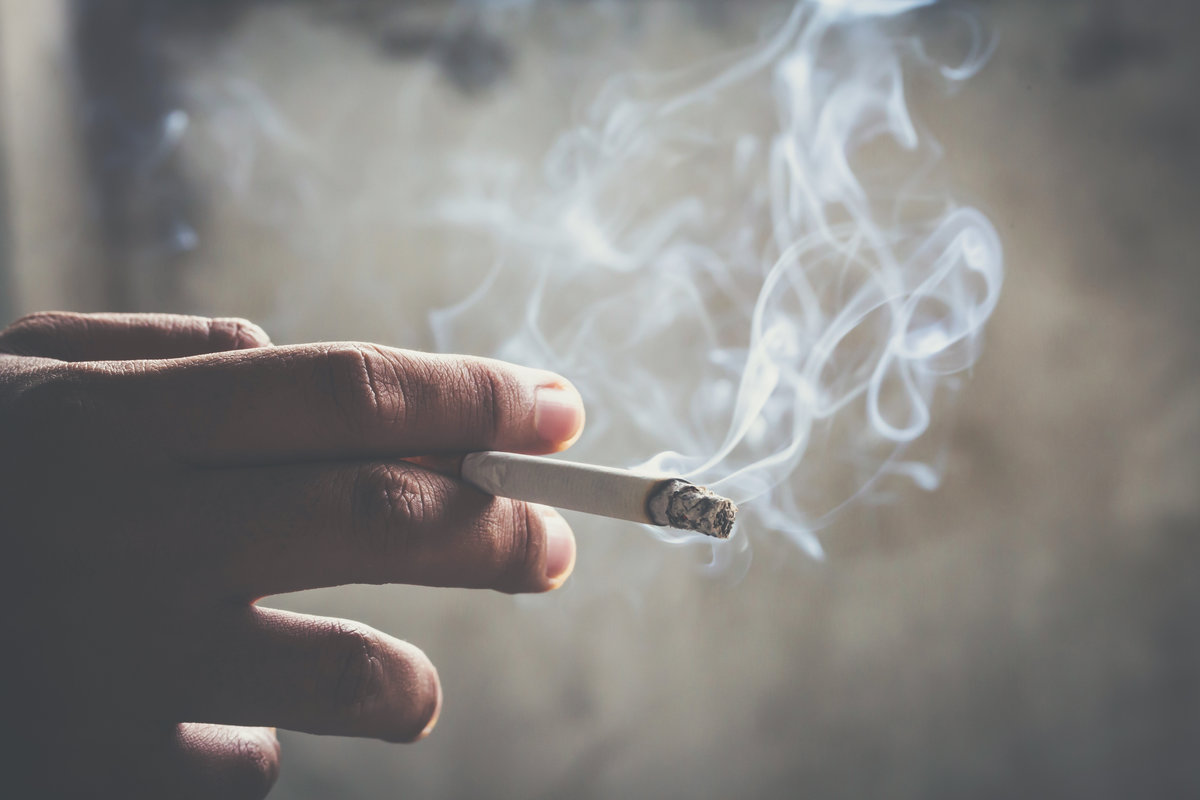
Smoking one cigarette after implant surgery can feel harmless in the moment, but the chemistry happening beneath your gums tells a different story. The compounds in tobacco don’t just irritate soft tissue; they actively interfere with the biological processes your jaw needs to anchor a new implant, raising the odds of failure at nearly every stage of treatment.
At Ponce Dental Studio in Atlanta, the team works closely with patients to evaluate every factor that could influence implant outcomes before a single incision is made. Patients considering dental implants receive a thorough candidacy assessment that accounts for systemic health, bone quality, and lifestyle habits, including tobacco use, so there are no surprises down the road.
Why Tobacco Is So Disruptive to Implant Healing
The relationship between smoking and implant failure comes down to biology. Nicotine constricts blood vessels, which reduces blood flow to healing tissues. Without adequate circulation, the bone surrounding a newly placed implant cannot receive the nutrients and oxygen it needs to fuse with the titanium post, a process called osseointegration. When osseointegration is incomplete or interrupted, the implant loosens and must be removed.
Carbon monoxide, another compound found in cigarette smoke, compounds the problem by displacing oxygen in the bloodstream. This creates a low-oxygen environment in gum tissue that bacteria thrive in, raising the risk of post-surgical infection and the early-stage implant failure condition known as peri-implantitis. Smokers also experience significantly suppressed immune responses, meaning their bodies are less equipped to fight off the bacteria that naturally accumulate around a healing surgical site.
Failure Rates Are Measurably Higher
The numbers paint a clear picture. Research consistently shows that smokers face a substantially higher implant failure rate compared to non-smokers, with some studies placing the risk two to three times higher. The jaw area matters too: implants placed in the upper jaw (which has less dense bone to begin with) tend to fail at even higher rates in tobacco users.
Long-term implant health is also at stake. Smoking accelerates bone loss around implants over time, which can destabilize restorations that initially appeared successful. Patients who smoke are more susceptible to peri-implantitis, a chronic inflammatory condition that erodes the bone supporting the implant and, if untreated, leads to implant loss years after placement.
What Smoking Means for Bone Grafting
Many implant candidates require bone grafting before implants can be placed because years of tooth loss often result in significant bone resorption. Smoking complicates this step as well. Graft integration depends on the same blood supply and immune function that smoking suppresses, meaning that smokers who need grafting face a dual hurdle: successful graft healing first, followed by successful implant osseointegration.
Jawbone preservation is a critical concern for anyone who has been missing teeth for an extended period, and smokers who are also dealing with bone loss may find their candidacy for implants and full-arch restorations affected by both factors simultaneously.
Can Smokers Still Get Implants?
Smoking is not an automatic disqualifier, but it does require an honest conversation with your implant provider. Most dental professionals recommend patients stop smoking at least two weeks before surgery and abstain for a minimum of two months afterward. Some practices require a longer cessation window. The longer a patient can go without tobacco before and after the procedure, the closer their healing trajectory resembles that of a non-smoker.
Patients who cannot or will not quit are typically counseled on the significantly elevated risk of failure and may be advised to pursue alternative tooth replacement options, such as implant-supported dentures with different structural considerations, depending on their bone situation.
Choose Ponce Dental Studio for Your Implant Consultation
Ponce Dental Studio is built around the belief that every patient deserves honest, complete information before committing to any procedure. The care team uses AI-driven diagnostics and 3D CBCT imaging to evaluate bone density, tissue health, and overall implant candidacy with a level of precision that traditional exams simply cannot match. These tools are especially valuable for patients with complex health histories, including current or former tobacco use.
The Ponce Dental Studio care team will walk you through everything your candidacy evaluation reveals, what your realistic success odds look like, and what steps, including smoking cessation support resources, may improve your outcomes. You can also find additional educational content on implants and oral health on the Ponce Dental Studio YouTube channel. When you’re ready to take the next step, reach out to our office to schedule a consultation and get answers tailored to your specific situation.
 Dr. Frank Nia is a distinguished cosmetic and restorative dentist, co-founder of Ponce Dental Studio in Atlanta, GA. With a DMD from the University of Pennsylvania School of Dental Medicine and an MSEd in Higher Education, Dr. Nia brings over a decade of experience in managing multi-site dental practices. Known for his innovative approach to dentistry, he combines cutting-edge technology with compassionate care. Dr. Nia is a Fellow of the International Congress of Oral Implantologists and holds licenses in multiple states, including certification for oral and I.V. Sedation therapy in Georgia.