
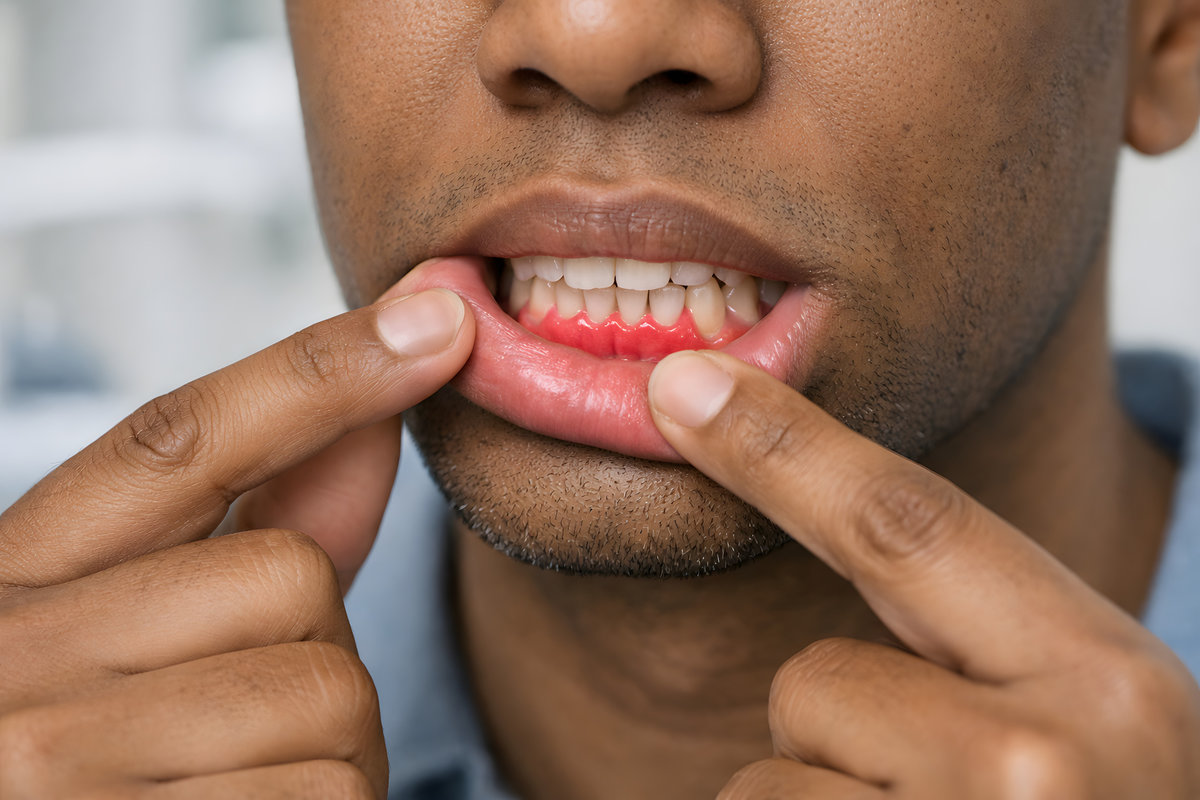
Yes, early gum disease can be reversed. Gingivitis, the first stage of gum disease, affects only the soft gum tissue, so a professional cleaning combined with consistent brushing and flossing can return your gums to health. Once gum disease advances to periodontitis and begins affecting the bone that supports your teeth, that damage cannot be undone, but it can be slowed and managed with professional treatment.
If your gums are bleeding when you brush, maybe a little tender, you may be wondering if you have already done some kind of damage. At Ponce Dental Studio in Atlanta, helping patients reverse gingivitis is a regular part of our preventive care. Our approach to gum disease treatment combines professional care with patient education, giving you the tools to not only heal your gums but protect them long-term.
What Gingivitis Actually Is
Gingivitis is the earliest stage of gum disease, and knowing what it is makes it a lot less intimidating. It develops when plaque, a sticky film of bacteria, builds up along and below the gumline and triggers an inflammatory response in your gum tissue. The result is redness, puffiness, and that telltale bleeding when you brush or floss.
What makes gingivitis uniquely manageable is that it has not yet affected the bone or connective tissue supporting your teeth. The damage at this stage is limited to the soft tissue, which means it is reversible with prompt and consistent care. The challenge is that gingivitis is often painless, leading many people to dismiss the early warning signs until the problem advances.
Early Warning Signs to Watch For
Healthy gums are firm, pink, and do not bleed during normal brushing. Gums that look red or swollen, bleed when you brush or floss, feel tender, or come with persistent bad breath are the most common signs of gingivitis. If you notice blood in the sink, our article on why gums bleed when you floss covers the most common causes. Gums that are pulling away from the teeth, teeth that feel loose, or changes in how your bite fits together point to more advanced disease and call for a prompt evaluation.
How Common Is Gum Disease?
Gum disease is far more widespread than most people realize, which is one reason routine screening matters. According to the Centers for Disease Control and Prevention, periodontitis affects a large share of American adults, and the numbers climb with age and certain risk factors.
4 in 10
U.S. adults age 30 and older had periodontitis
About 60%
of adults age 65 and older had periodontitis
62%
of current smokers age 30 and older had periodontitis
The CDC also lists smoking, diabetes, poor oral hygiene, stress, genetics, hormonal changes, certain medications, teeth grinding, and poor nutrition as risk factors. Hormonal shifts are one reason gum health deserves extra attention during pregnancy. If any of these apply to you, catching gingivitis early matters even more.
How to Reverse It at Home
Reversing gingivitis starts with what you do twice a day. A consistent at-home oral hygiene routine is the foundation of gum health, and small adjustments can make a noticeable difference.
Brush and Floss With Purpose
Brushing twice daily for two full minutes with a soft-bristled toothbrush removes plaque before it hardens into tartar. Use gentle circular motions along the gumline rather than aggressive back-and-forth scrubbing, which can actually irritate the tissue further. Flossing once a day, especially before bed, clears the bacteria from between teeth and just below the gumline where your brush cannot reach. If traditional floss is difficult for you, electric toothbrushes and water flossers can make it easier to stay consistent.
Add an Antibacterial Rinse
An antibacterial mouthwash used after brushing and flossing helps reduce the bacterial load in your mouth. Over-the-counter rinses with ingredients like cetylpyridinium chloride can help control plaque, and your dentist may prescribe a chlorhexidine rinse for a short period when inflammation needs extra help. A rinse supports brushing and flossing but never replaces them.
Support Your Gums Beyond the Bathroom
Habits outside your hygiene routine affect gum healing too. Quitting tobacco, keeping blood sugar in a healthy range if you have diabetes, limiting sugary snacks and drinks, and staying hydrated all give your gums a better environment to recover.
Consistency matters more than perfection here. Many people notice less bleeding and calmer gums within a few weeks of a steady routine, though the timeline varies from person to person, and a professional cleaning is usually needed to remove the tartar that home care cannot.
Why Professional Cleanings Are Essential
At-home care is critical, but it cannot do the job alone. Once plaque hardens into tartar, no amount of brushing will remove it. That is where professional dental cleanings come in. Our hygienists use professional instruments to clear tartar from above and below the gumline, resetting the bacterial environment your gums need to heal.
During a dental exam, we also measure your gum pockets, check for early signs of bone loss, and evaluate the overall health of your periodontal tissue. Patients with active gingivitis are often placed on a more frequent cleaning schedule, sometimes every three to four months instead of the standard six, to keep the condition from advancing into periodontal disease. If tartar has already built up below the gumline, a deep cleaning may be recommended. Addressing it early prevents the need for more complex, expensive treatment down the road.
What Happens If Gingivitis Is Left Untreated
Gingivitis does not resolve on its own. Without intervention, it progresses into periodontitis, a more serious form of gum disease that attacks the bone and connective tissue holding your teeth in place. At that stage, the damage becomes irreversible, and treatment shifts from restoration to management. Tooth loss, bone loss, and the need for surgical intervention all become real possibilities. Research has also linked advanced gum disease to systemic health concerns, including cardiovascular disease and diabetes complications, making early treatment more than just a matter of oral health.
The stages of gum disease worth knowing include:
- Gingivitis: Inflammation of the gums with no bone involvement; reversible with treatment
- Mild Periodontitis: Early bone loss begins; can be managed but not fully reversed
- Moderate Periodontitis: Deeper pockets and more significant bone destruction; requires more aggressive intervention
- Severe Periodontitis: Substantial bone and tissue loss with high risk of tooth loss
Catching the condition at the gingivitis stage is the window you want to act within. For a closer look at how later stages are treated, see our guide to periodontal disease and its treatment.
Gingivitis vs. Periodontitis at a Glance
The table below shows why the stage of gum disease changes what treatment can accomplish.
| Factor | Gingivitis | Periodontitis |
|---|---|---|
| Tissue affected | Gum tissue only | Gums, connective tissue, and supporting bone |
| Common signs | Red, puffy gums that bleed easily | Receding gums, deep pockets, loose teeth |
| Reversible? | Yes, with professional cleaning and good home care | No, but it can be slowed and managed |
| Typical treatment | Routine cleaning and improved hygiene | Deep cleaning, ongoing periodontal maintenance, and sometimes surgery |
Frequently Asked Questions About Reversing Gum Disease
How long does it take to reverse gingivitis?
Many people see less bleeding and swelling within a few weeks of a professional cleaning and a consistent brushing and flossing routine. The exact timeline depends on how much plaque and tartar were present and on risk factors like smoking or diabetes. Your dental team can confirm at a follow-up visit whether your gums have fully recovered.
Can gum disease be reversed without a dentist?
Better brushing and flossing can calm mild gum inflammation, but home care cannot remove tartar that has already hardened on the teeth. A professional cleaning is usually needed to clear that buildup so the gums can heal. A dental exam also confirms that the problem is still gingivitis and has not progressed to bone loss.
Can receding gums grow back?
Gum tissue that has receded does not grow back on its own. Treating the underlying gum disease can stop further recession, and in some cases a periodontist can restore coverage with gum grafting procedures. Early care is the best way to avoid recession in the first place.
Is bleeding when I brush always a sign of gum disease?
Not always, but it is the most common early sign. Brushing too hard, starting a new flossing routine, hormonal changes, and some medications can also cause bleeding. Bleeding that continues for more than a week or two of gentle, consistent care is a good reason to schedule an exam.
Does mouthwash cure gingivitis?
Mouthwash can help reduce the bacteria that inflame the gums, but it does not remove plaque or tartar on its own. Antibacterial rinses work best as an addition to twice-daily brushing, daily flossing, and professional cleanings. Your dentist can recommend a rinse that fits your needs.
Start Reversing Gum Disease at Ponce Dental Studio
If your gums are showing early warning signs, now is the time to act. The care team at Ponce Dental Studio is experienced in identifying and treating gum disease at every stage, and they approach every patient with the kind of personalized attention that actually moves the needle. With AI-driven diagnostics and a commitment to transparency, you will always know exactly what is happening with your oral health and what your next steps look like.
Whether you are ready to schedule a cleaning or want a full periodontal evaluation, Ponce Dental Studio is here to help. You can also explore our YouTube channel for educational content on gum health and preventive care. Contact us today to schedule your appointment and take the first step toward healthier gums.
 Dr. Frank Nia is a distinguished cosmetic and restorative dentist, co-founder of Ponce Dental Studio in Atlanta, GA. With a DMD from the University of Pennsylvania School of Dental Medicine and an MSEd in Higher Education, Dr. Nia brings over a decade of experience in managing multi-site dental practices. Known for his innovative approach to dentistry, he combines cutting-edge technology with compassionate care. Dr. Nia is a Fellow of the International Congress of Oral Implantologists and holds licenses in multiple states, including certification for oral and I.V. Sedation therapy in Georgia.