
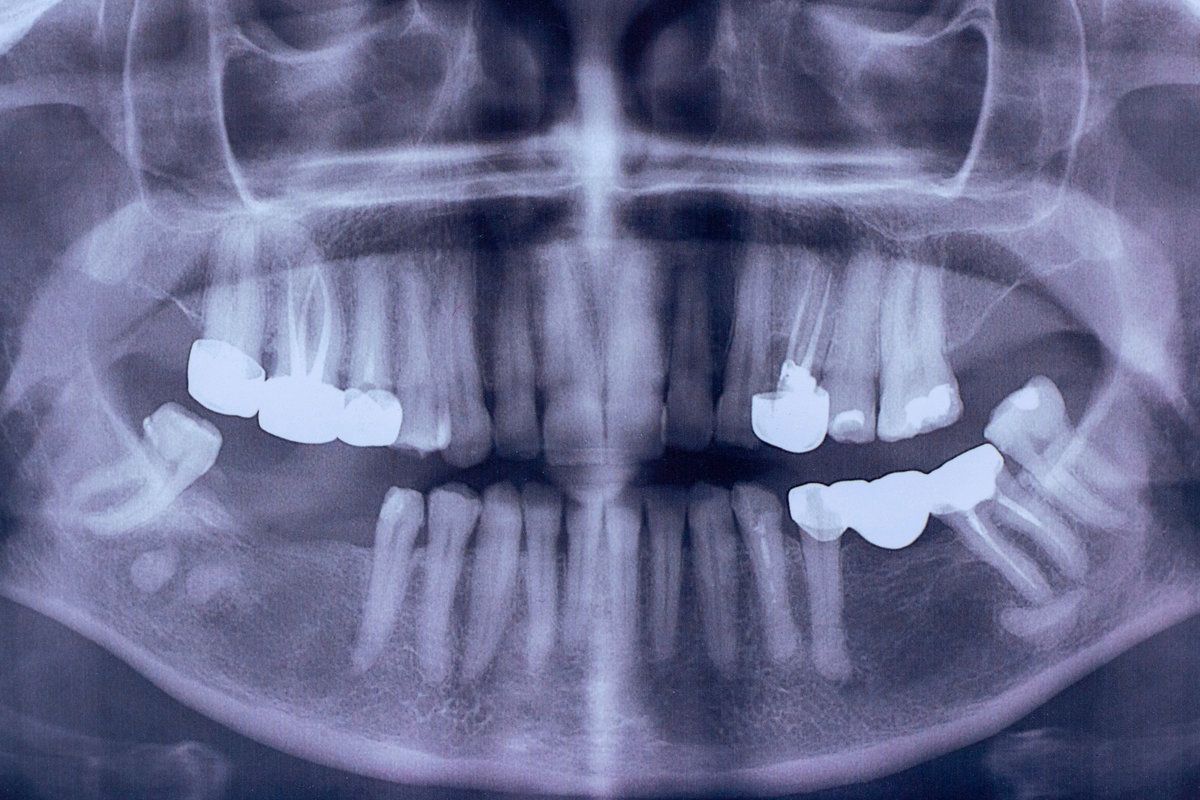
Considering dental implants but not sure if your jawbone can support them? It’s a fair question, and one more patients are asking as implant dentistry becomes the standard for replacing missing teeth. Bone density plays a direct role in whether an implant can fuse securely with your jaw, and certain signs point toward needing a closer look before treatment begins.
At Ponce Dental Studio, we evaluate every patient’s bone health as part of our comprehensive dental implant consultation process. We combine AI-driven diagnostics with advanced imaging to understand exactly what is happening beneath the gum line before recommending any treatment plan. Recognizing the warning signs early can save you time, money, and unnecessary setbacks on your path to a restored smile.
Long-Term Tooth Loss Without Replacement
One of the clearest indicators that you may need a bone density evaluation is a history of missing teeth that were never replaced. When a tooth is lost, the jawbone that once supported its root begins to resorb almost immediately because it no longer receives the stimulation it needs to maintain density.
The longer a gap goes unaddressed, the more bone volume tends to disappear in that area. Patients who lost teeth years or even decades ago and are only now considering implants often have significantly less bone than someone who sought treatment right away. This is one of the most common reasons we recommend a bone density assessment before finalizing an implant plan.
A History of Gum Disease
Periodontal disease is another major contributor to jawbone loss. When gum disease progresses untreated, the infection breaks down not just the gum tissue but the underlying bone that anchors your teeth.
Patients with a history of moderate to severe periodontitis often show uneven bone loss patterns, which can complicate implant placement in certain areas of the mouth. If you have had gum disease in the past, even if it is currently under control, mentioning this during your consultation helps our team plan for a thorough bone evaluation using digital imaging.
Wearing Dentures for an Extended Period
Traditional dentures rest on top of the gums rather than stimulating the bone the way natural tooth roots do. Over years of denture wear, this lack of stimulation accelerates bone resorption, and many long-term denture wearers are surprised to learn how much bone has changed shape since their teeth were first removed.
If you have worn dentures for five years or more and are now interested in full arch dental implants, a bone density test gives us a clear picture of what remains and whether additional preparation, such as a sinus lift, might be part of your treatment plan.
Certain Medical Conditions or Medications
Some medical conditions and medications directly affect bone metabolism throughout the body, including the jaw. Osteoporosis is the most widely recognized of these conditions, and research on postmenopausal women receiving dental implants has found that osteoporosis is associated with reduced bone quality and cortical porosity in the jaw, which is why we take extra care in evaluating bone density in patients with a history of osteoporosis before recommending implant placement.
Certain long-term medications, including some used to treat osteoporosis itself, can also influence how bone heals after implant surgery. If you take medication for bone health or have been diagnosed with a condition affecting bone density, we encourage you to share this information openly during your consultation.
Signs You Might Notice At Home
While a proper bone density evaluation requires imaging and professional assessment, the following signs may prompt you to ask about it sooner rather than later:
- Dentures that have started to feel loose or shift more than they used to
- A noticeably sunken or collapsed appearance along the jawline or cheeks
- Difficulty chewing certain foods that used to feel manageable
- A previous dentist mentioning low bone volume during an exam or scan
If any of these sound familiar, it is worth bringing up during your next visit so our team can determine whether further evaluation makes sense for your situation.
Ponce Dental Studio Evaluates Bone Density Before Every Implant Case
Every implant case at Ponce Dental Studio begins with a thorough evaluation of your unique anatomy, not a one-size-fits-all approach. Our AI-driven technology lets us detect changes in bone density and structure with precision that supports better long-term outcomes, and combined with our in-house lab, we can plan procedures like bone grafting or a sinus lift when needed rather than discovering a problem mid-treatment.
We also believe you deserve clarity around cost from the beginning, and our price transparency approach means we walk you through what a bone density evaluation might reveal and how that could affect your treatment timeline and investment. If you have noticed any of the signs above or simply want peace of mind before starting your implant journey, reach out through our contact form to schedule a consultation. Don’t forget to check out our YouTube channel for real patient stories about their implant journeys with Ponce Dental Studio.
 Dr. Frank Nia is a distinguished cosmetic and restorative dentist, co-founder of Ponce Dental Studio in Atlanta, GA. With a DMD from the University of Pennsylvania School of Dental Medicine and an MSEd in Higher Education, Dr. Nia brings over a decade of experience in managing multi-site dental practices. Known for his innovative approach to dentistry, he combines cutting-edge technology with compassionate care. Dr. Nia is a Fellow of the International Congress of Oral Implantologists and holds licenses in multiple states, including certification for oral and I.V. Sedation therapy in Georgia.