
Not every wisdom tooth needs to come out, but leaving problematic third molars in place can lead to serious oral health complications. While some people’s wisdom teeth emerge without issues and align properly with their bite, most adults face impaction, crowding, or infection risks that make removal the safest choice.
At Ponce Dental Studio, we use AI-driven diagnostic technology to assess whether your wisdom teeth require extraction. Our team evaluates each case individually, examining factors like tooth positioning, jaw space, and potential impact on surrounding teeth before recommending treatment.
Why Do Wisdom Teeth Often Need Removal?
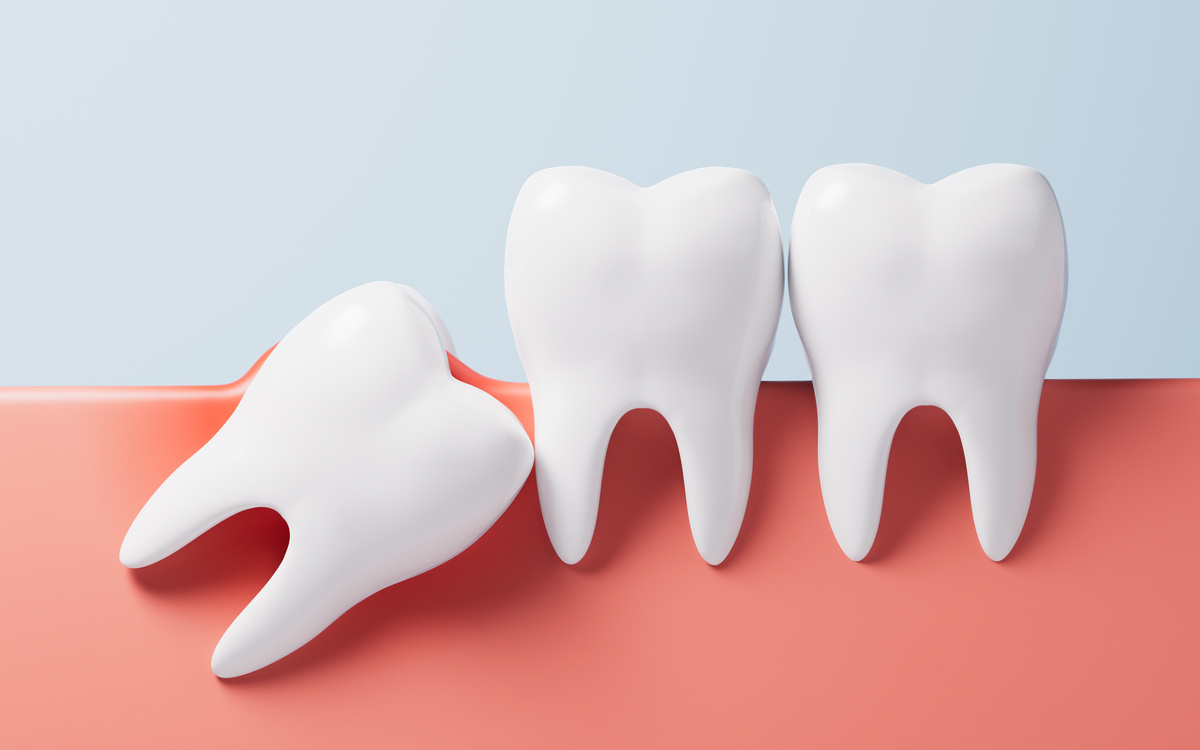
Wisdom teeth typically emerge between ages 17 and 25, when the jaw has already stopped growing. This late eruption creates space limitations that prevent proper positioning in most patients. When wisdom teeth cannot fully break through the gum line, they become impacted, creating pockets where bacteria accumulate and cause infections.
Impacted wisdom teeth push against neighboring molars, potentially causing damage to healthy teeth and disrupting orthodontic work. Oral surgery becomes necessary when third molars threaten the alignment or health of your existing teeth. The pressure from impacted wisdom teeth can also lead to cyst formation around the tooth crown, which may damage the jawbone and surrounding structures.
What Are the Signs You Need Wisdom Tooth Extraction?
Pain in the back of your mouth signals potential wisdom tooth problems, but not all issues cause immediate discomfort. Regular monitoring through dental x-rays helps identify developing problems before they cause symptoms. Swollen, tender, or bleeding gums around the back molars indicate infection or pericoronitis, a condition where bacteria infect the tissue surrounding partially erupted wisdom teeth.
Difficulty opening your mouth fully, persistent bad breath despite good oral hygiene, and an unpleasant taste near the back teeth suggest wisdom tooth complications. Some patients experience headaches or jaw pain that worsens when chewing. According to research from the American Association of Oral and Maxillofacial Surgeons, approximately 85% of wisdom teeth will eventually require removal due to complications or the high likelihood of future problems.
When Can Wisdom Teeth Stay?
Properly erupted wisdom teeth that align correctly with your bite and maintain good oral health may not require extraction. If you can clean these teeth effectively, they cause no pain, and regular dental exams show no signs of decay or gum disease, removal may be unnecessary. Your dentist should continue monitoring these teeth at routine checkups to ensure they remain healthy.
Some patients have sufficient jaw space for all 32 teeth, though this represents a small percentage of the population. Even when wisdom teeth appear healthy initially, their position at the back of the mouth makes them vulnerable to decay and gum disease as you age.
What Happens If You Delay Necessary Extraction?
Postponing recommended wisdom teeth removal allows infections to spread and damage to worsen. Cysts can grow larger, requiring more extensive surgery and potentially weakening the jawbone permanently. The longer you wait, the more complex the extraction becomes, particularly as tooth roots continue developing and fusing with the jawbone in your late teens and twenties.
Delayed extraction increases recovery time and complication risks in older patients. Bone density increases with age, making teeth more difficult to remove and healing slower. Infections from impacted wisdom teeth can spread to other areas of the face and neck, creating serious health concerns that extend beyond dental issues.
Recovery and Long-Term Benefits
Most patients return to normal activities within a few days after tooth extraction, though complete healing takes several weeks. Removing problematic wisdom teeth prevents future dental emergencies, protects your investment in orthodontic treatment, and eliminates ongoing infection risks. The procedure preserves the health of surrounding teeth and prevents bone loss that occurs when infections persist untreated.
Proactive removal when recommended typically involves less complicated surgery, faster healing, and fewer complications than waiting until problems become severe.
Trust Ponce Dental Studio for Wisdom Tooth Evaluation
Understanding whether your wisdom teeth need removal starts with a thorough examination using advanced diagnostic technology. We combine digital imaging with AI-supported analysis to provide accurate assessments of your wisdom teeth positioning and potential risks. Our in-house approach means we control every aspect of your care, from initial consultation through post-operative follow-up.
At Ponce Dental Studio, we prioritize price transparency and patient comfort throughout the extraction process. Whether you need one tooth removed or all four, our team provides clear cost estimates upfront and offers easy financing options to make necessary treatment accessible. Contact our office to schedule your wisdom tooth evaluation, and explore our YouTube channel for patient education videos about oral surgery procedures.
 Dr. Frank Nia is a distinguished cosmetic and restorative dentist, co-founder of Ponce Dental Studio in Atlanta, GA. With a DMD from the University of Pennsylvania School of Dental Medicine and an MSEd in Higher Education, Dr. Nia brings over a decade of experience in managing multi-site dental practices. Known for his innovative approach to dentistry, he combines cutting-edge technology with compassionate care. Dr. Nia is a Fellow of the International Congress of Oral Implantologists and holds licenses in multiple states, including certification for oral and I.V. Sedation therapy in Georgia.