
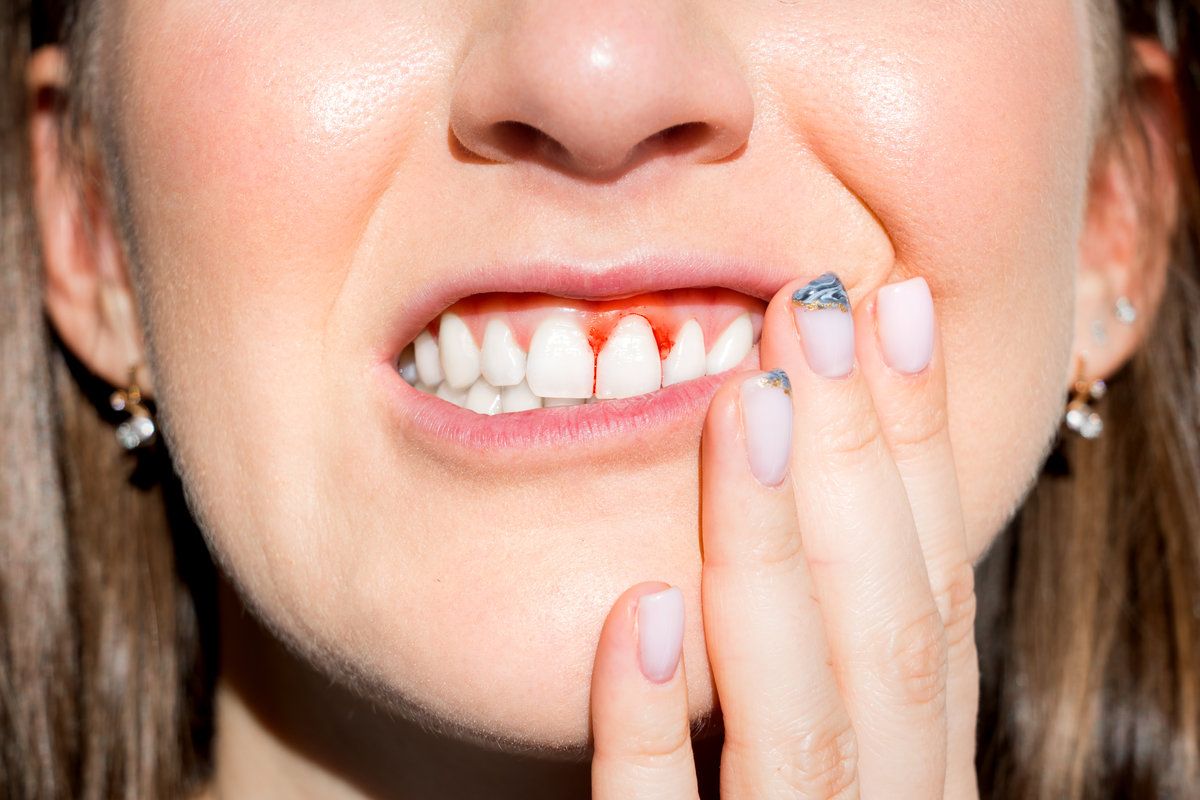
Bleeding gums after brushing or flossing are easy to shrug off, but that small sign can point to something bigger happening beneath the surface. Periodontal disease often develops very quietly, usually without any pain in its early stages, and you might not notice anything beyond occasional bleeding, gum recession, or bad breath that will not go away even after brushing or after eating mints. By the time symptoms become obvious, the infection may have already reached the bone and tissue that hold your teeth in place. Left unaddressed, it becomes one of the leading causes of adult tooth loss, but it responds well to treatment when it is caught early.
Our periodontics team at Ponce Dental Studio helps patients throughout Atlanta catch gum disease in its earliest stages, when treatment is simplest and most effective. We pair thorough exams with AI-driven technology that detects changes in the gum and bone tissue with precision, giving you a clear picture of your oral health before problems have a chance to progress.
What Causes Periodontal Disease?
Periodontal disease begins with plaque, a sticky film of bacteria that builds up on teeth throughout the day. When plaque is not removed through regular brushing and flossing, it hardens into tartar, which irritates the gums and leads to gingivitis, the earliest and most reversible stage of gum disease. At this stage, gums may look red or swollen and bleed easily during brushing, but the supporting bone and tissue are still intact.
If gingivitis goes untreated, the infection can spread below the gumline and develop into periodontitis. At this point, the gums start to pull away from the teeth, forming pockets where bacteria continue to grow and multiply. For example, a tooth that once looked completely covered by healthy gum tissue may start to show more of the root than before, and the tooth itself may feel slightly loose. Over time, this process can break down the bone and connective tissue that hold your teeth firmly in place. Smoking, diabetes, hormonal changes, and certain medications can all raise your risk, so regular checkups matter even when your gums feel fine.
How Is Periodontal Disease Treated?
The right treatment depends on how far the disease has progressed, but the goal stays the same: stop the infection and protect the health of your teeth and gums. Our gum disease treatment options range from simple, noninvasive care to more advanced procedures for patients with deeper pockets or bone loss, and we build a plan around your exam results and personal goals.
Some of the most common treatments we recommend for gum disease include:
- Scaling and root planing to remove plaque and tartar from below the gumline and smooth the tooth root
- Laser therapy to target infected tissue with less discomfort and faster healing
- Gum recession treatment to rebuild tissue that has pulled away from the teeth
- Crown lengthening to reshape gum and bone tissue around a tooth that needs extra support
Many patients see real improvement with a combination of these treatments and a few changes to their daily habits at home. Depending on how advanced the disease is, we may also recommend more frequent cleanings for a while to keep new bacteria from taking hold. Our team walks you through every option so you know what to expect and why it fits your case.
Preventing Gum Disease and Protecting Your Smile
Prevention is almost always simpler than treatment, and small daily habits make a real difference. Brushing twice a day, flossing daily, and keeping up with regular dental cleanings are your best defense against plaque buildup. The Centers for Disease Control and Prevention reports that close to four in 10 U.S. adults over age 30 show some level of periodontitis, a reminder for everyone to stay consistent with their home care and professional visits.
Routine cleanings also give our team a chance to catch early warning signs before they turn into something much more involved and costly to treat. If it has been a while since your last visit, scheduling a cleaning is one of the easiest ways to stay ahead of gum disease.
Protect Your Smile With Ponce Dental Studio
At Ponce Dental Studio, gum health is never an afterthought. We rely on quality materials and an in-house lab, so any restorative care that follows periodontal treatment is handled from start to finish under one roof. Digital impressions, financing options, and in-network coverage with several major insurance plans help make treatment more accessible, and comforts like noise-canceling headphones and blankets help make every visit as easy as possible.
If you have noticed bleeding, swelling, or sensitive gums, do not wait for it to get worse. Our care team at Ponce Dental Studio would love to welcome you in for an exam, and you can find more patient tips on our YouTube channel. Reach out today through our contact form to schedule your visit.
 Dr. Frank Nia is a distinguished cosmetic and restorative dentist, co-founder of Ponce Dental Studio in Atlanta, GA. With a DMD from the University of Pennsylvania School of Dental Medicine and an MSEd in Higher Education, Dr. Nia brings over a decade of experience in managing multi-site dental practices. Known for his innovative approach to dentistry, he combines cutting-edge technology with compassionate care. Dr. Nia is a Fellow of the International Congress of Oral Implantologists and holds licenses in multiple states, including certification for oral and I.V. Sedation therapy in Georgia.