
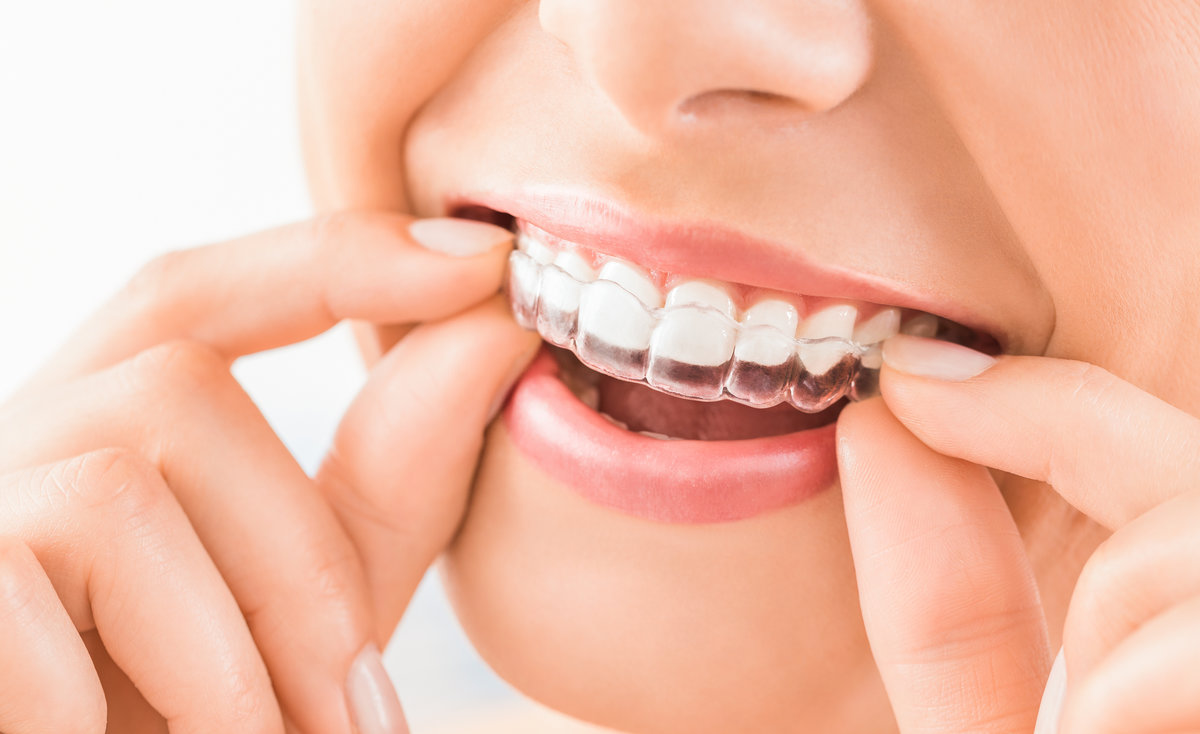
Your Invisalign treatment timeline is not set in stone. Most Ponce Dental Studio patients finish in about 12 to 18 months, but the exact length depends on how complex your bite is, how consistently you wear your aligners, how your teeth respond to movement, and whether your gums and teeth are healthy when you start. Some of these factors are out of your hands, and several are almost entirely in them.
At Ponce Dental Studio, we plan every case with 3D digital scanning instead of messy impressions, and a board-certified orthodontist reviews each Invisalign plan before treatment begins. As an Invisalign Diamond Provider with an in-house lab and AI-driven diagnostics, our team can give you a realistic estimate from day one and track your progress closely so small issues do not turn into long delays.
How Does Aligner Wear Time Affect Your Treatment Duration?
Wear time is the single factor you control most directly. Invisalign aligners work best when worn 20 to 22 hours per day, coming out only for eating, drinking anything other than water, brushing, and flossing. Each aligner is designed to move your teeth a small, planned amount, and that movement only happens while the aligner is in your mouth.
When aligners spend too much time in their case, teeth fall behind the plan. The next aligner may not seat fully, which is often the first sign that treatment is slipping. That can add weeks or even months, and in some cases it means extra aligners are needed to get back on track. A few habits make consistent wear much easier:
- Keep your case with you: Aligners wrapped in a napkin at a restaurant are one of the most common ways they get lost.
- Brush before putting aligners back in: Clean teeth feel better under the trays and make it easier to reinsert them quickly.
- Set reminders: A phone alarm after meals helps you avoid leaving aligners out longer than planned.
Our Invisalign aligner care guide covers cleaning and storage habits that help your trays stay clear and fit well.
What Role Does Case Complexity Play in Treatment Length?
The severity of your orthodontic issues has the biggest influence on your Invisalign timeline. Minor corrections such as small gaps or mild crowding typically require fewer aligners and shorter treatment, sometimes around six months. Cases involving significant crowding, rotated teeth, or bite problems such as overbites, underbites, crossbites, and open bites usually take longer because teeth need to travel farther and in more directions.
Research supports this. A review published through the National Library of Medicine concluded that orthodontic treatment time varies with the type of malocclusion and the treatment option chosen, and that patient characteristics and compliance are decisive factors. The same review found that methods marketed to speed up tooth movement appear to have limited effect, which is why steady wear and good planning matter more than shortcuts.
Common Factors and How They Affect Your Timeline
The table below summarizes the factors we see most often and how each one tends to shift the length of treatment.
| Factor | Can Shorten or Keep on Track | Can Lengthen Treatment |
|---|---|---|
| Daily wear | Consistent 20 to 22 hours per day | Long or frequent breaks |
| Case complexity | Mild spacing or crowding | Severe crowding, rotations, or bite correction |
| Oral health | Cavities and gum issues treated before starting | New decay or gum disease during treatment |
| Aligner changes | Switching on the schedule your dentist sets | Skipping ahead before teeth are tracking |
| Attachments | Attachments staying bonded in place | Broken or missing attachments left unrepaired |
| Lost or broken aligners | Calling the office right away | Waiting until the next appointment |
How Do Age and Bone Density Impact Treatment Speed?
Your age can influence how quickly your teeth respond to orthodontic treatment. Teenagers often see somewhat faster tooth movement because their jawbones are still developing and remodel more readily. Adult bone is denser, so some adult cases take a little longer to reach the same result.
Age should not discourage you from pursuing Invisalign. Many adults achieve excellent results, and treatment plans can be staged to account for denser bone. Adults are also more likely to have existing crowns, bridges, or gum recession, which we factor into the plan from the start. Our article on Invisalign for adults over 40 covers what older patients should know.
Can Following Your Aligner Schedule Shorten Your Timeline?
Following your dentist’s instructions about when to switch aligners keeps treatment moving as planned. Aligners have traditionally been changed every one to two weeks, and some plans call for weekly changes when your dentist confirms that your teeth are tracking well. Switching early on your own, before teeth have caught up, can backfire and create fit problems that slow things down.
Small tooth-colored bumps called attachments may be bonded to certain teeth to help the aligners grip and guide movement. Keeping them intact matters, so let us know if one breaks off. Near the end of treatment, some patients also need a short series of refinement aligners to perfect the final position, which is a normal part of many plans rather than a sign that something went wrong.
Why Oral Health Before and During Treatment Matters
Poor dental health can interrupt Invisalign progress if cavities or gum disease need attention mid-treatment. A tooth that needs a filling or crown may require new scans and new aligners afterward, since the shape of that tooth changes. That is why we recommend handling any needed work first, as we explain in our article on dental procedures to complete before Invisalign.
During treatment, aligners hold anything left on your teeth close against the enamel, so brushing before you put them back in is especially important. Keeping your teeth and gums healthy through regular brushing, flossing, and preventative dental care helps ensure nothing derails your treatment timeline.
What Happens if You Experience Treatment Delays?
Life happens, and sometimes a timeline needs adjusting. Missed check-ins, lost aligners, travel, or illness can add time to your original estimate. Clear communication with your dental team is the best way to keep those delays small.
If you lose or crack an aligner, contact our office right away rather than waiting for your next visit. Depending on where you are in treatment, we may have you move to the next aligner or go back to the previous one while a replacement is made. Discomfort beyond normal pressure, or an aligner that no longer seats fully, is also worth a quick call so we can check your progress.
What Your Treatment Timeline Typically Looks Like
Every plan is different, but most follow the same general stages from first visit to long-term retention.
If you are just getting started, our guide on what to expect at your first Invisalign consultation walks through that first visit in detail. The last stage matters just as much as the first, and our article on retainers after Invisalign explains why wearing them as directed protects the time you invested.
Frequently Asked Questions About Invisalign Timelines
How long does Invisalign usually take?
Most Ponce Dental Studio patients finish in about 12 to 18 months. Mild spacing or crowding can take closer to six months, while complex bite correction can take longer. Your consultation scan and treatment plan give you a personal estimate before you begin.
Can I speed up my Invisalign treatment?
The most reliable way to stay on schedule is wearing your aligners 20 to 22 hours a day and keeping every check-in. Some plans allow weekly aligner changes when your teeth are tracking well, but only your dentist should make that call. Research suggests that devices marketed to accelerate tooth movement have limited effect.
What happens if I forget to wear my aligners for a day?
A single missed day usually will not ruin your progress, but your aligner may feel tight when you put it back in. Many dentists suggest wearing that aligner a little longer before switching to the next one. If an aligner no longer seats fully, call the office so we can check whether your plan needs adjusting.
Do refinement aligners mean my treatment failed?
No. Refinements are a normal part of many Invisalign plans. Teeth do not always move exactly as predicted, so a short series of additional aligners can fine-tune the final position. They may add some time, but they help you finish with the result you were aiming for.
Will I need to wear a retainer after Invisalign?
Yes. Teeth naturally tend to drift back toward their old positions, especially in the first months after treatment. We fit you for a retainer and explain how long and how often to wear it so your results stay in place long term.
Plan Your Invisalign Treatment With Confidence at Ponce Dental Studio
Multiple factors influence your Invisalign timeline, from how complex your bite is to how consistently you wear your aligners each day. Your age, oral health, and willingness to follow your aligner schedule all play a part. While most of our patients finish in about 12 to 18 months, your own timeline depends on your situation and your daily habits.
Ready to find out what your personalized Invisalign timeline looks like? Complete our contact form to schedule your consultation, and our team will use digital scanning and treatment planning to give you a clear estimate from the start. You can also visit our YouTube page to learn more about our approach to Invisalign treatment.
 Dr. Frank Nia is a distinguished cosmetic and restorative dentist, co-founder of Ponce Dental Studio in Atlanta, GA. With a DMD from the University of Pennsylvania School of Dental Medicine and an MSEd in Higher Education, Dr. Nia brings over a decade of experience in managing multi-site dental practices. Known for his innovative approach to dentistry, he combines cutting-edge technology with compassionate care. Dr. Nia is a Fellow of the International Congress of Oral Implantologists and holds licenses in multiple states, including certification for oral and I.V. Sedation therapy in Georgia.