
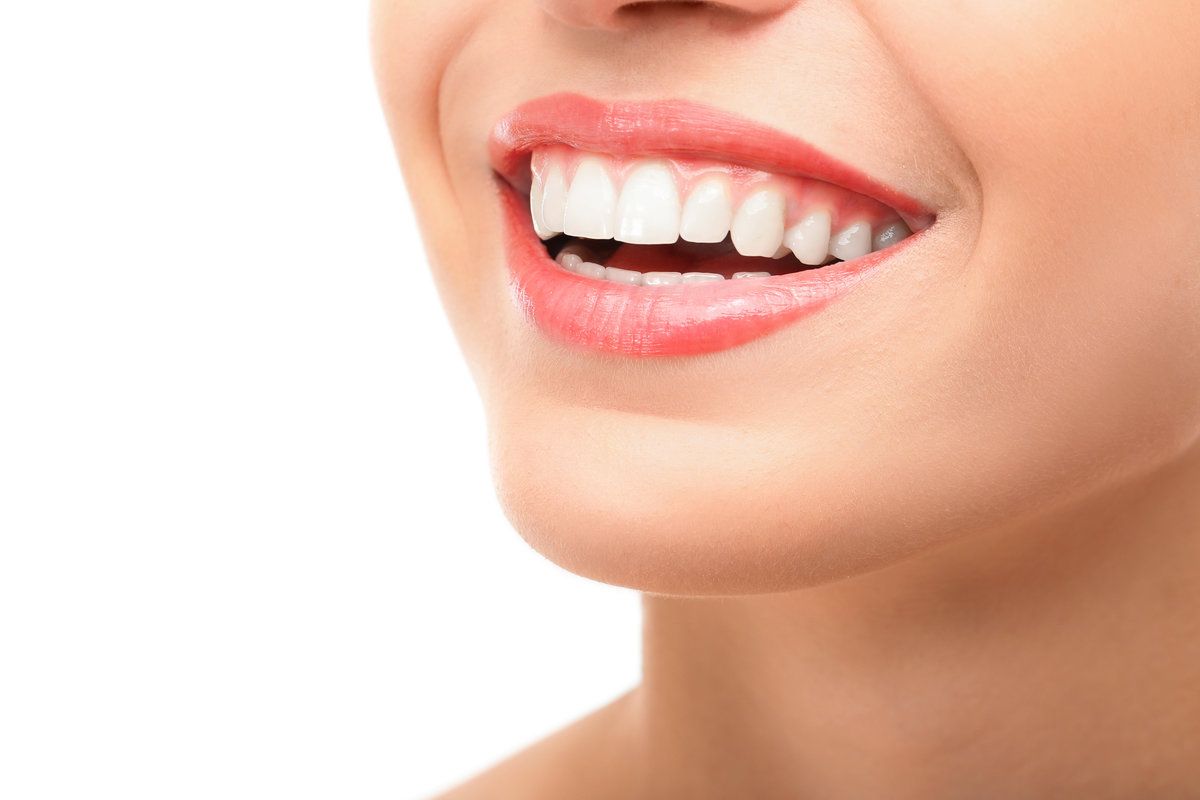
A chipped edge, a small gap, or a tooth that looks slightly duller than the rest can throw off an otherwise even smile. Composite bonding is often the fastest way to correct these small imperfections, because the resin is shaped and hardened directly on the tooth in a single visit. Before you commit, though, it helps to know what this treatment can accomplish and where it reaches its limits.
At Ponce Dental Studio, we use composite bonding often for patients who want a quick, budget-friendly upgrade to their smile without the wait time of a lab-made restoration. We also walk patients through when bonding is the right call and when a different option, like porcelain veneers, may better protect a longer-term investment.
What Composite Bonding Corrects Well
Bonding is well suited for small, contained cosmetic concerns on the front teeth. It can close a minor gap between two teeth, rebuild a chipped or slightly worn edge, reshape a tooth that looks a bit short or uneven, and mask discoloration that whitening alone did not fully resolve. Because the resin is applied and sculpted by hand at your appointment, you can often see the improvement before you leave the chair.
The treatment also preserves more of your natural tooth structure than options like crowns or veneers. Little to no enamel needs to be removed, making bonding a reversible, conservative starting point for many smile concerns. If you are unsure whether your case qualifies, our YouTube channel includes several videos showing real bonding procedures and results, which can give you a clearer picture before your visit.
Where Bonding Reaches Its Limits
Composite resin is durable, but it is not as strong or stain-resistant as porcelain. A long-term review of anterior composite resin restorations found that despite promising short-term outcomes, fractures and discoloration remain the most frequently reported complications over time. This means bonding on a front tooth may need a touch-up or repolish sooner than a veneer would, especially if you drink a lot of coffee, tea, or red wine.
Bonding also is not the best choice for larger structural problems. A tooth with significant decay, a large fracture, or a bite that puts heavy pressure on the front teeth may need a crown or veneer instead, since composite resin can chip under that kind of stress. It cannot fully correct major misalignment either. If your teeth are noticeably crooked or overlapping, orthodontic treatment or a combination approach usually delivers a more lasting result.
Comparing Bonding to Other Cosmetic Options
Many patients ask how bonding stacks up against porcelain veneers. Veneers require some enamel removal and typically a lab turnaround, but they tend to resist staining and hold their shape longer. Bonding skips both of those steps and costs less upfront, which makes it a practical choice for smaller fixes or for patients who want to test out a change before committing to something more permanent.
If gaps or spacing are the main concern, clear aligners may be worth discussing as well, particularly when the spacing is uneven across several teeth rather than isolated to one or two. A short consultation can help you decide which approach, or combination of approaches, fits your smile and your budget.
Caring for Bonded Teeth Long Term
Composite bonding can last several years with the right habits. Brushing with a soft-bristled brush, flossing daily, and scheduling regular dental cleanings all help protect the surface from premature wear. Avoiding habits like nail biting or chewing on ice and implementing the following changes also reduces the risk of chipping:
- Limit dark beverages like coffee, tea, and red wine, or rinse with water after drinking them
- Wear a nightguard if you grind your teeth, since bonding is more prone to fracture under repeated pressure
- Schedule a checkup if you notice a rough edge or color change, since small issues are easier to repair early
Staying consistent with these habits gives your bonded teeth the best chance of lasting years, not months.
Smile Confidently With Composite Bonding at Ponce Dental Studio
Composite bonding gives us a fast, conservative way to correct small chips, gaps, and shading issues on the front teeth, and we are glad to walk you through whether it is the right fit for your smile. Our in-house lab and digital imaging technology let us plan your treatment with precision, and we offer financing options to help make cosmetic work more accessible. Whether you need a quick bonding touch-up or a larger conversation about veneers, we take the time to explain your options clearly before we begin any work.
We also share real patient education videos on our YouTube channel so you can see what different procedures look like in practice. If a chip, gap, or shade mismatch has been bothering you, reach out through our contact form, and we will help you find the right next step.
 Dr. Frank Nia is a distinguished cosmetic and restorative dentist, co-founder of Ponce Dental Studio in Atlanta, GA. With a DMD from the University of Pennsylvania School of Dental Medicine and an MSEd in Higher Education, Dr. Nia brings over a decade of experience in managing multi-site dental practices. Known for his innovative approach to dentistry, he combines cutting-edge technology with compassionate care. Dr. Nia is a Fellow of the International Congress of Oral Implantologists and holds licenses in multiple states, including certification for oral and I.V. Sedation therapy in Georgia.