

Diabetes does not automatically rule out All-on-4 dental implants. What matters most is how well blood sugar is managed leading into surgery and during the healing period that follows. Patients whose diabetes is well controlled can see implant success rates close to those of people without diabetes, while poorly controlled blood sugar raises the risk of complications during healing.
At Ponce Dental, we work with patients who have diabetes on a regular basis, and we build extra planning and monitoring into every step of the All-on-4 dental implant process for these patients. For a full walkthrough of the procedure itself, from consultation through final restoration, see our complete guide to All-on-4 dental implants at Ponce Dental.
Why Blood Sugar Control Matters for Implant Success
Properly managed diabetes is one of the biggest factors in whether All-on-4 implants succeed long term. Elevated blood sugar can slow the body’s healing response, which matters a great deal for osseointegration, the process by which an implant fuses to the jawbone. When blood sugar runs high for extended periods, that fusion can take longer or be less complete, which raises the risk of an implant loosening or failing.
The encouraging news is that diabetes itself is not the deciding factor. The level of control is. Patients who keep their blood sugar in a healthy range going into surgery tend to heal on a similar timeline to patients without diabetes.
What Does the Research Say About Diabetes and Dental Implants?
A widely cited review published in the National Journal of Maxillofacial Surgery found that clinical implant success rates in diabetic patients ranged from roughly 85 to 100 percent, and that success in well or fairly controlled diabetics was similar to non-diabetic patients. That review, along with later systematic reviews on the subject, uses HbA1c (A1C) blood test results to classify control into general ranges: well controlled is typically 6 to 8 percent, moderately controlled is 8.1 to 10 percent, and poorly controlled is above 10 percent. Patients in the well and moderately controlled ranges have generally shown outcomes close to non-diabetic patients, while poor control has been linked to a higher chance of early complications.
Every patient’s health history is different, and these ranges are general research findings rather than a personal diagnosis. Your specific A1C target and timeline should always be worked out between your dentist and your own physician.
Preparing for All-on-4 Surgery When You Have Diabetes
At Ponce Dental, preparation for diabetic patients starts with a conversation, not a checklist. If blood sugar is not yet well controlled, we typically recommend working with your medical doctor first to bring it into a safer range before scheduling surgery. This collaborative approach, rather than rushing into a procedure, is what tends to produce the most predictable healing.
Bone density and jaw structure also matter for candidacy, particularly for patients who have dealt with periodontal disease alongside diabetes, which is common since the two conditions can affect each other. If bone volume is limited, options like bone grafting for implants may be part of the conversation before implant placement.
What to Expect During the All-on-4 Procedure
Once your care team agrees you are ready for surgery, the All-on-4 process generally follows the same sequence for diabetic and non-diabetic patients alike, with closer monitoring built in along the way:
- Consultation and treatment planning: A full evaluation of your oral and overall health, including coordination with your physician, shapes a plan specific to you.
- Implant placement: Four titanium implants are placed in the jawbone using advanced imaging to guide precise positioning.
- Temporary teeth placement: A functional set of teeth is typically attached the day after surgery.
- Healing period: Osseointegration generally takes three to six months, and this window can run longer depending on how blood sugar is managed during recovery.
Learn more about what each stage involves in our step-by-step guide to getting dental implants.
Maintaining Oral Health and Blood Sugar After Surgery
Recovery does not end when the temporary teeth are placed. Ongoing oral hygiene and blood sugar management both play a role in how well the implants hold up over time. Regular dental check-ups, consistent home care, and staying in close contact with your medical doctor all support a smoother healing process and a more durable result.
Key Takeaways for Diabetic Patients Considering All-on-4
A few points are worth keeping in mind if you are weighing this option:
- Control matters more than the diagnosis: Well-managed diabetes is associated with implant outcomes similar to non-diabetic patients in published research.
- Your medical and dental teams should coordinate: Sharing information between your physician and your dentist supports safer planning.
- Oral hygiene carries extra weight: Diabetes can affect healing and gum health, so consistent home care matters even more after surgery.
- Healing timelines can vary: Blood sugar control during recovery, not just before surgery, affects how quickly osseointegration progresses.
Diabetes and overall health are closely connected to oral health in general. You can read more in our overview of full mouth dental implants and overall health.
How Ponce Dental Can Help
Every treatment plan we build for a patient with diabetes is personalized around that patient’s current health status and their physician’s input. Our team coordinates directly with your medical doctor when needed, monitors healing closely, and adjusts timelines rather than forcing a one-size-fits-all schedule.
If you have diabetes and are considering All-on-4 dental implants, we can walk you through what candidacy looks like for your specific situation and coordinate with your physician as part of that process. Reach out through our contact form or explore our financing and insurance options to get started.
Frequently Asked Questions About All-on-4 Implants and Diabetes
Can I get dental implants if I have diabetes?
In many cases, yes. Diabetes alone does not rule out candidacy for All-on-4 implants. What matters most is how well blood sugar is controlled, since that affects healing and the ability of implants to fuse with the jawbone.
Does diabetes affect how long implants take to heal?
It can. Elevated blood sugar may slow the healing process involved in osseointegration, which can extend recovery time. Patients with well-managed blood sugar generally heal on a timeline similar to non-diabetic patients.
What blood sugar range is generally considered safe for implant surgery?
Published research commonly groups A1C control into well controlled, around 6 to 8 percent, moderately controlled, around 8.1 to 10 percent, and poorly controlled, above 10 percent. These are general research ranges, and your own safe target should be confirmed with your physician and dentist together.
Will my medical doctor need to be involved in my implant treatment?
For patients with diabetes, coordinating with your physician is a standard part of planning. This helps confirm your blood sugar is in a safe range before surgery and supports a smoother healing period afterward.
Are All-on-4 implants different from single-tooth implants for diabetic patients?
The same blood sugar and healing considerations apply to both. All-on-4 involves more implants placed at once, so many dentists build in closer monitoring during healing, but the core principles of glycemic control remain the same regardless of how many implants are placed.
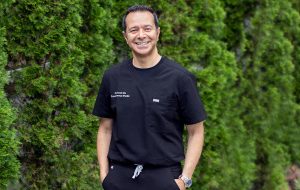 Dr. Frank Nia is a distinguished cosmetic and restorative dentist, co-founder of Ponce Dental Studio in Atlanta, GA. With a DMD from the University of Pennsylvania School of Dental Medicine and an MSEd in Higher Education, Dr. Nia brings over a decade of experience in managing multi-site dental practices. Known for his innovative approach to dentistry, he combines cutting-edge technology with compassionate care. Dr. Nia is a Fellow of the International Congress of Oral Implantologists and holds licenses in multiple states, including certification for oral and I.V. Sedation therapy in Georgia.